Cartridge Filter Housings
Filter Housings
The cartridge filter housing system has a variety of flow and contaminant holding capacities. We're leading Cartridge Filter Housings Manufacturer

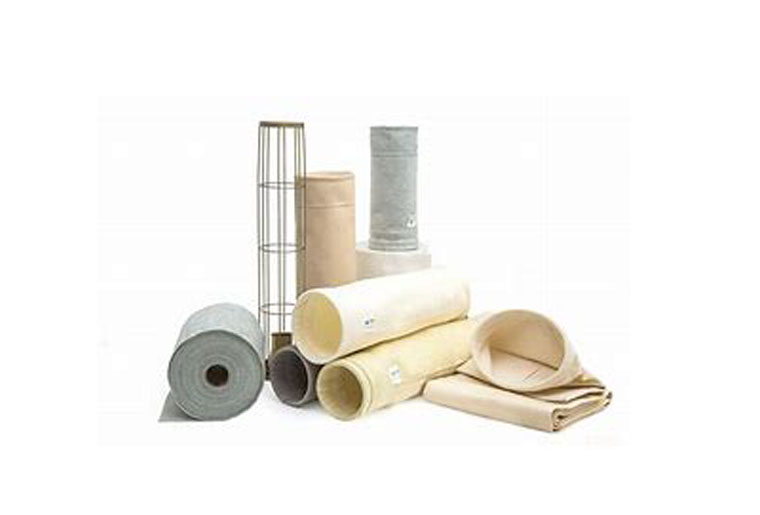
Woven and non-woven dust collection bags are commonly used in industrial applications to capture and contain airborne dust and particulate matter generated during various manufacturing processes. These bags play a vital role in maintaining clean and safe working environments, as well as protecting equipment and ensuring compliance with environmental regulations.
Woven Dust Collection Bags:
Woven dust collection bags are constructed using woven fabric materials, typically made of polyester, nylon, or other synthetic fibers. The fabric is woven together in a tight pattern, creating a durable and sturdy bag structure. Woven bags offer excellent strength and resistance to wear and tear, making them suitable for heavy-duty applications.
The tightly woven fabric of these bags allows for effective filtration by trapping and containing solid particles and dust. The construction of woven bags provides a balance between filtration efficiency and airflow, allowing for sufficient air passage while capturing the particulate matter.
Non-Woven Dust Collection Bags:
Non-woven dust collection bags are manufactured using a web of synthetic fibers that are bonded together through mechanical, thermal, or chemical processes. The fibers are randomly arranged and entangled, creating a porous and flexible material. Non-woven bags are available in various thicknesses and densities to accommodate different filtration requirements.
The structure of non-woven bags provides a high surface area for capturing and retaining dust particles. The entangled fibers create a labyrinth-like filtration path that effectively traps the particles within the bag. Non-woven bags offer excellent dust-holding capacity and are capable of capturing fine particulate matter.
Comparison:
Both woven and non-woven dust collection bags have their advantages and are suitable for different applications.
Woven bags excel in heavy-duty environments where durability and resistance to abrasion are crucial. They are commonly used in industries such as mining, metalworking, and cement manufacturing, where large and coarse particles need to be captured. Woven bags can withstand harsh conditions and have a longer service life compared to non-woven bags.
Non-woven bags are often preferred for their high filtration efficiency and dust-holding capacity. They are effective in capturing fine particles and are commonly used in industries such as pharmaceuticals, food processing, and electronics. Non-woven bags are also lightweight and flexible, making them easier to handle and install.
Maintenance of both woven and non-woven dust collection bags involves regular inspection and replacement. Over time, the accumulated dust and particulate matter can clog the bags and reduce their filtration efficiency. Cleaning or replacing the bags ensures optimal filtration performance and prevents system inefficiencies.
In summary, woven and non-woven dust collection bags are essential components for capturing and containing airborne dust in industrial environments. The choice between the two depends on factors such as the particle size, application requirements, durability needs, and filtration efficiency desired. By selecting the appropriate bag type, industries can effectively control dust emissions, protect equipment, and maintain a clean and safe working environment.