Cartridge Filter Housings
Filter Housings
The cartridge filter housing system has a variety of flow and contaminant holding capacities. We're leading Cartridge Filter Housings Manufacturer

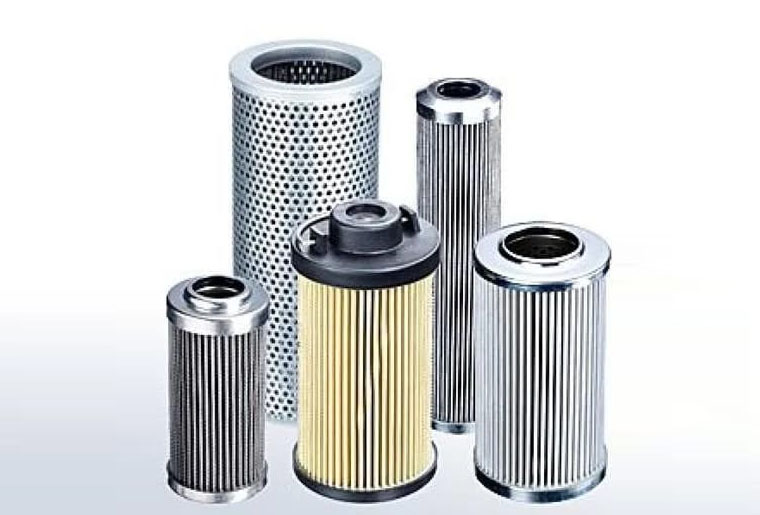
A hydraulic lube oil filter is an essential component in hydraulic systems used to remove contaminants and maintain the cleanliness of the hydraulic fluid. Hydraulic systems, found in a wide range of applications such as industrial machinery, construction equipment, and automotive systems, rely on hydraulic fluid for power transmission and lubrication. The lube oil filter plays a critical role in ensuring the longevity and optimal performance of these systems.
The primary purpose of a hydraulic lube oil filter is to remove contaminants from the hydraulic fluid, including particles, debris, sludge, and wear metals. These contaminants can be introduced during the manufacturing process, enter the system through external sources, or result from the normal wear and tear of system components. If left unfiltered, these contaminants can cause significant damage to the hydraulic system, leading to reduced efficiency, increased wear, and potential failure of critical components.
Hydraulic lube oil filters are typically designed as filter cartridges or filter elements that fit into a filter housing. The filter housing is connected to the hydraulic system, allowing the fluid to flow through the filter media. The filter media is chosen based on the required filtration efficiency and the type of contaminants expected in the system. Common filter media materials include cellulose, synthetic fibers, metal mesh, or a combination of these materials.
The hydraulic lube oil filter operates on the principle of depth filtration, where contaminants are captured within the filter media matrix as the fluid passes through. The filter media is designed with specific micron ratings, indicating the size of particles it can effectively capture. It is crucial to select a filter with an appropriate micron rating based on the application requirements to ensure effective filtration without excessive pressure drop.
As the hydraulic fluid flows through the lube oil filter, the contaminants are trapped in the filter media, while the clean fluid passes through and returns to the hydraulic system. Over time, as the filter accumulates contaminants, its efficiency decreases, and the pressure drop across the filter increases. Regular maintenance and periodic filter replacements are necessary to maintain the performance of the hydraulic system and prevent excessive pressure drop that could lead to system malfunctions.
Hydraulic lube oil filters may also incorporate additional features to enhance their performance and prolong their service life. Some filters have bypass valves that allow fluid to bypass the filter element when it becomes clogged, preventing excessive pressure buildup and ensuring continuous fluid flow. Other filters may include anti-drain valves, which prevent the hydraulic fluid from draining back into the system when the equipment is shut down, ensuring immediate lubrication upon startup.
In conclusion, a hydraulic lube oil filter is a vital component in hydraulic systems that helps maintain the cleanliness and performance of the hydraulic fluid. By effectively removing contaminants, it prevents damage to system components, reduces wear, and extends the life of the hydraulic system. Regular maintenance and filter replacement are necessary to ensure optimal performance and avoid costly repairs or system failures.